Furnace maintenance tips for Colorado winters come down to three habits: replace the filter every 1-3 months, schedule a professional tune-up every fall, and keep the area around the furnace clear and dry. Do those three things and your furnace will handle a Denver January without drama. Skip them and you are gambling with the one system your family cannot live without when it is 8°F outside.
Colorado winters are not like winters in most of the country. We get temperature swings of 40 degrees in a single day, weeks of sub-zero nights along the Front Range, and a heating season that runs from October into May at higher elevations. That kind of workload wears a furnace down faster than the national average. Here is what we tell homeowners across the metro area to keep their heat on all winter.
Why Colorado winters punish neglected furnaces
Colorado winters punish neglected furnaces because the equipment runs harder and longer than furnaces in milder climates, and the dry, dusty air here clogs filters and blower components faster. A furnace in Houston might run 800 hours a season. A furnace in Denver runs 1,800 to 2,200 hours. That is roughly double the wear on the blower motor, the inducer, and the heat exchanger.
Altitude matters too. Most of the Front Range sits between 5,000 and 6,000 feet, and at that elevation a gas furnace burns differently than at sea level. Combustion air is thinner, so the burners need to be adjusted for the altitude they are installed at. A furnace that was set up correctly in another state will often run rich or short-cycle once it is installed here. That is one reason we see more cracked heat exchangers in Colorado than in lower-elevation markets.
The temperature swings are the other factor. A 65°F afternoon in February followed by a 12°F night forces the furnace to cycle on and off repeatedly. Every cycle is a small thermal shock to the heat exchanger. Over 15 or 20 years, those cycles add up.
Your winter furnace maintenance checklist
A winter furnace maintenance checklist in Colorado should cover the filter, the burners, the blower, the flue, and the thermostat. Here is what we walk through on every service call, and what you can do yourself between visits.
Monthly tasks you can do yourself
- Replace or clean the filter. A 1-inch fiberglass filter needs changing every 30 days during heating season. A pleated filter lasts 60 to 90 days. A 4-inch media cabinet filter lasts 6 to 12 months. Write the date on the filter frame with a Sharpie so you stop guessing.
- Check the thermostat batteries. Most digital thermostats run on AA or AAA batteries. When they die, the furnace stops calling for heat. Keep a spare set in a kitchen drawer.
- Walk the perimeter of the furnace. Look for water on the floor, soot around the burner door, or a yellow instead of blue flame through the sight glass. Any of those means call us.
- Keep the intake and exhaust clear. High-efficiency furnaces vent through PVC pipes on the side of the house. Snow drifts and ice dams block them. Clear them after every storm.
- Vacuum the return grilles. Dust and pet hair build up on the grille faces and starve the blower. A shop vac with a brush attachment takes two minutes.
Annual tasks for a technician
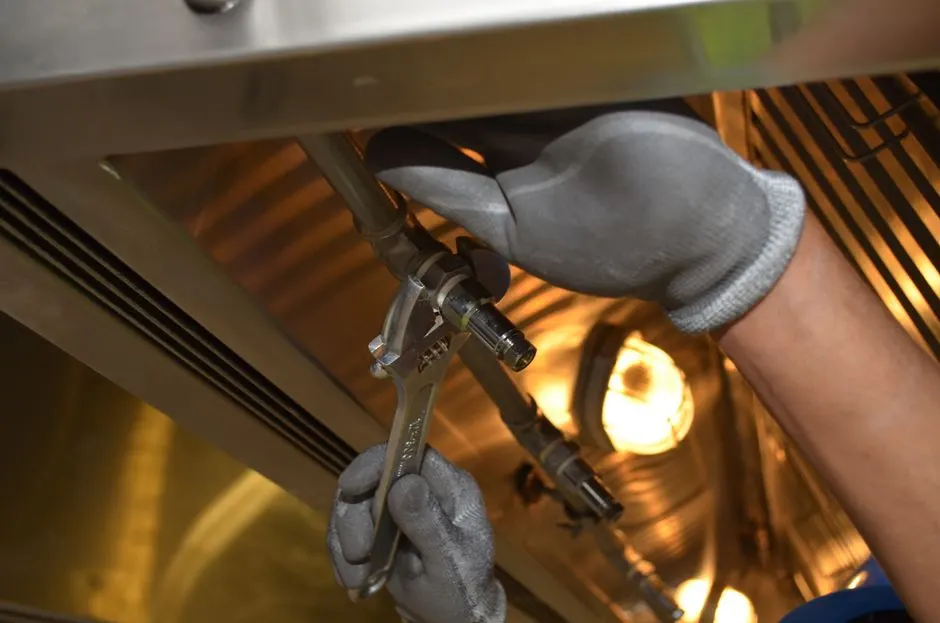
- Clean the burners and check the flame sensor.
- Inspect the heat exchanger for cracks with a combustion analyzer and a borescope.
- Test the inducer motor amp draw and the pressure switch.
- Check gas pressure at the manifold and adjust for altitude.
- Lubricate the blower bearings and check the capacitor.
- Test the limit switch and the rollout switch.
- Verify the flue draft and the carbon monoxide levels in the supply plenum.
That list is what a real furnace tune up Colorado visit looks like. If a company is in and out of your house in 20 minutes, they are not doing it.
How often should you service your furnace before winter in Colorado?
Service your furnace once a year, in September or early October, before the first hard freeze. That is the single most important maintenance habit for a Colorado home. The reason is timing, not just frequency. If your furnace fails on a 70°F October afternoon, you have options. If it fails on a 5°F night in January, you are calling an emergency line and paying emergency prices.
We start booking fall tune-ups in late August because the calendar fills fast. By the time the first snow hits the foothills, we are usually booked two weeks out. Homeowners who wait until the furnace quits are the ones who end up on the 24 hour furnace repair Colorado list.
If your furnace is more than 12 years old, consider a tune-up in the spring as well. Older units benefit from a mid-season check because components wear faster and small problems turn into no-heat calls. For a furnace under 8 years old, one annual visit is enough.
What temperature should you set your furnace to in a Colorado winter?
Set your thermostat to 68°F while you are home and 62°F while you are asleep or away. That is the range that balances comfort, energy cost, and equipment wear for most Colorado homes. Every degree above 68 adds roughly 3% to your heating bill.
Do not drop the thermostat below 60°F in a Colorado winter. Pipes in exterior walls and unheated crawl spaces can freeze when indoor temperatures fall that low, especially during a multi-day cold snap. The cost of a burst pipe is far higher than the gas you save.
A programmable or smart thermostat handles the schedule for you. If you are still on a manual thermostat, upgrade. The payback on a $150 smart thermostat in a Colorado climate is usually one heating season.
One more thing: do not crank the thermostat to 80°F to warm the house faster. A furnace puts out the same heat regardless of the setpoint. You just overshoot the target and waste gas.
Common furnace maintenance mistakes to avoid
The most common furnace maintenance mistakes we see in Colorado homes are running the wrong filter, blocking the return air, and ignoring the first signs of trouble. Here is what to watch for.
- Using a filter with too high a MERV rating. A MERV 13 filter in a residential furnace chokes the airflow and overheats the heat exchanger. MERV 8 to MERV 11 is the right range for most homes.
- Stacking storage against the furnace. Furnaces need 2 to 3 feet of clearance on all sides for combustion air. We have pulled boxes, bikes, and Christmas decorations off the top of furnaces more times than we can count.
- Sealing every return grille. Closing vents in unused rooms does not save money. It raises static pressure and forces the blower to work harder.
- Ignoring a yellow flame. A healthy gas flame is blue with a slight orange tip. A yellow or flickering flame means incomplete combustion and possible carbon monoxide. Call us the same day.
- Skipping the tune-up because the furnace is new. New furnaces still need annual service. The warranty often requires it, and a manufacturer can deny a claim if you cannot show maintenance records.
- Running the furnace with a cracked heat exchanger. This is a carbon monoxide risk. If a technician red-tags your furnace, do not run it until it is repaired or replaced.
If your furnace is 15 years or older and you are facing a repair bill over $1,200, it is usually smarter to put that money toward a furnace replacement Colorado than to keep patching a unit that is near the end of its life.
When to call a professional
Call a professional when you smell gas, hear a repeated clicking at the furnace, see a yellow flame, or notice the furnace short-cycling. Those are not DIY problems. Gas and carbon monoxide are not things to troubleshoot with a YouTube video.
Our team at Furnace Pros Colorado handles the full range of furnace issues, from a dirty flame sensor that shuts the burner off after 30 seconds to a failed inducer motor that leaves you with no heat at all. We diagnose the problem, quote the repair upfront, and carry the common parts on the truck so most homes are back to heat the same day.
If you are not sure whether your furnace needs a repair or just a cleaning, call us. A 10-minute conversation usually tells us what we need to know.
Frequently Asked Questions
How do I maintain my furnace for Colorado winters?
Change the filter every 1-3 months, keep 2-3 feet of clearance around the unit, clear snow from the intake and exhaust pipes, and schedule a professional tune-up every September or October. Set the thermostat to 68°F while home and 62°F while away or asleep.
How often should I service my furnace before winter in Colorado?
Once a year, ideally in September or early October before the first hard freeze. If your furnace is over 12 years old, add a spring check as well. Annual service keeps the warranty valid and catches problems before they become no-heat calls.
What temperature should I set my furnace to in a Colorado winter?
68°F while you are home and awake, 62°F while you are asleep or away. Never drop below 60°F during a cold snap, or pipes in exterior walls and crawl spaces can freeze. Each degree above 68 adds about 3% to your heating bill.
How long does a furnace tune-up take?
A thorough tune-up takes 60 to 90 minutes. That includes cleaning the burners, testing the flame sensor, checking the heat exchanger, measuring gas pressure, lubricating the blower, and verifying carbon monoxide levels. Anything under 30 minutes is not a real tune-up.
What does a furnace tune-up cost in Colorado in 2026?
Typical 2026 pricing in the Denver metro runs $99 to $189 for a standard tune-up, and $200 to $300 if the technician also cleans the blower and evaporator coil. Many companies, including ours, waive or discount the tune-up fee if you sign up for a maintenance plan.
Get help with Furnace Repair in Denver
If your furnace is short-cycling, blowing cold air, or making a noise it did not make last winter, we can help. Furnace Pros Colorado serves Denver and the surrounding Front Range with same-day furnace repair and honest upfront pricing.
Call (833) 588-3896 to schedule a visit or a fall tune-up.