Furnace Pros Colorado logo Furnace Pros Colorado
Get Estimate

Furnace Repair in Colorado done right the first time

Statewide coverage from the plains to the high country


When your heat quits at 2 a.m. and the house is dropping fast, you need Furnace Repair in Colorado that actually shows up. We run NATE-certified techs across the state for gas, electric, and high-efficiency systems, diagnose the real fault, and fix it on the first visit. Same-day heating repair Colorado homeowners can count on, from Agate to Ignacio.

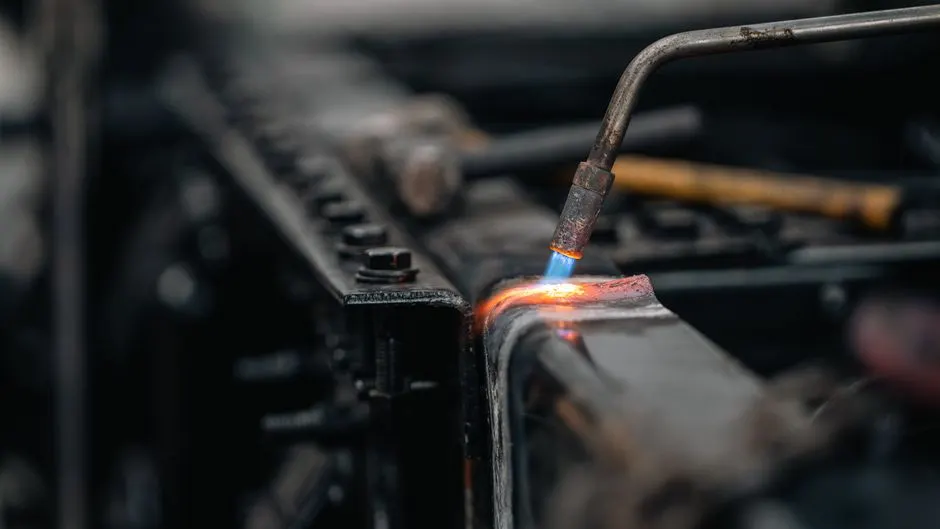
Detailed view of torch welding metal surface, featuring blue flame.
Licensed Licensed & Bonded
Fully Insured Insured & Bonded
24/7 Emergency Same-Day Response
Warranty Backed Workmanship Guaranteed

What our furnace repair includes

Every repair call includes a full diagnostic, a written finding, and a price you approve before we start. Here is what is standard on the job versus what we quote separately, so there are no surprises on the invoice.

Full system diagnostic

Multimeter testing on the igniter, flame sensor, and control board, plus a clamp meter check on the blower motor circuit. We verify gas pressure at the valve with a manometer and inspect the heat exchanger with a camera. This is 30 to 45 minutes of real testing, not a visual glance.
Combustion analysis on gas units

We run a combustion analyzer on every gas furnace we touch and verify CO and CO2 against spec at your elevation. High-altitude derating matters here. A furnace burning dirty at 6,000 feet will soot up and fail again within a season.

Parts and labor for the repair

The quoted price covers the failed part and the labor to install it. Common parts like flame sensors, igniters, capacitors, and thermocouples ride on every truck. Less common parts like a specific control board or gas valve may need ordering, and we tell you that upfront.

Air filter replacement

We swap your air filter as part of the repair. A clogged filter is one of the most common causes of a furnace tripping the breaker or short cycling, and it costs almost nothing to fix. We will show you the correct size and MERV rating for your system.

Full heat cycle verification

After the repair, we run the furnace through a complete heat cycle and measure temperature rise at the plenum against the data plate spec. If it does not hit the number, the job is not done. We also verify the thermostat is calling correctly and the blower is moving the right CFM.

Workmanship warranty

Every repair carries a workmanship warranty, and we register manufacturer parts coverage where the equipment qualifies. If the same fault returns inside the warranty window, we come back at no charge. That is the whole point of doing it right the first time.

What Furnace Repair in Colorado really involves


Furnace Repair in Colorado is the diagnostic and mechanical work that restores a failed or underperforming heating system to safe, code-correct operation. That means pulling the fault codes, testing the igniter and flame sensor with a multimeter, checking gas pressure at the valve with a manometer, and inspecting the heat exchanger with an inspection camera before we ever quote a part. A furnace that blows cold air, short cycles, or trips the breaker usually has one root cause, not five. We find it, then fix it.

Colorado homes work their furnaces harder than almost anywhere else. A 20-degree swing between a sunny afternoon and a 4 a.m. low is normal here, and that thermal cycling cracks heat exchangers, fouls flame sensors, and kills blower motors early. If your furnace is not turning on and the house is cold, that is not a wait-and-see problem. We treat it like the emergency it is.

How our furnace repair process works

Five steps, no mystery. Here is exactly what happens from the moment you call until the heat is back on and we have walked you through what we did.

01

Schedule

Call or book online — a real human picks up and confirms a 2-hour arrival window.

02

Diagnose

Licensed tech inspects on-site, then walks you through the cause and your options.

03

Fix

The job is completed to code and done right the first time — no shortcuts, no surprises.

04

Guarantee

Every job backed by a written workmanship warranty — and we stand behind it.

Tools and methods we use on every job

Tools & Equipment

Combustion analyzer

Measures CO, CO2, and flue temperature on gas furnaces to verify a clean burn. Essential at Colorado elevations where air density changes how a furnace burns.

Manometer

Reads gas pressure at the valve and manifold to confirm the furnace is getting the pressure it was designed for. Wrong pressure means sooting, delayed ignition, or weak flame.

Multimeter and clamp meter

Tests igniters, flame sensors, control boards, and thermostats for continuity and voltage. The clamp meter measures amp draw on the blower motor to catch a failing motor before it seizes.

Inspection camera

Slides into the heat exchanger to look for cracks, corrosion, and soot that you cannot see from the outside. A cracked exchanger is a CO risk and the camera is how we confirm it.

Vacuum gauge

Checks static pressure in the duct system to see whether airflow is restricted. High static pressure shortens blower motor life and causes short cycling.

Thermostat diagnostic tools

Verifies that Nest, Honeywell, and other smart thermostats are actually calling for heat correctly. A surprising number of no-heat calls turn out to be a thermostat or wiring issue.

Methods & Standards

NATE-certified diagnostics

Every tech holds NATE certification, which means tested competency on gas heating, airflow, and electrical diagnosis. We follow the same diagnostic sequence on every call so nothing gets skipped, whether it is a simple flame sensor or a full control board failure.

ACCA standards for airflow and load

We measure temperature rise and static pressure against ACCA standards to confirm the system is moving the right amount of air. A furnace that is sized or ducted wrong will fail repeatedly no matter how many parts you throw at it.

EPA Section 608 compliance

Any work that touches refrigerant on a heat pump or AC coil is handled by techs with EPA Section 608 credentials. That is a legal requirement and a competence marker, and we do not cut corners on it.

Colorado HVAC license and permits

We work under a Colorado HVAC license and pull local building permits when a job crosses into replacement or major modification. Permitted work gets inspected, which protects you at resale and keeps the installation code-correct.

OSHA safety compliance on every job

Gas-side work, electrical panels, and rooftop flue terminations all carry real hazards. Our techs follow OSHA safety compliance on every call, from lockout procedures to CO monitoring. Safety is not a separate service, it is how the work gets done.

When to call for furnace repair

01

Your furnace will not turn on and the house is dropping below 60 degrees with overnight lows forecast in the teens.

What we do: This is an emergency call. We dispatch 24/7 for no-heat situations and prioritize homes with kids, elderly residents, or no backup heat. A tech arrives, diagnoses the fault, and gets you heat back the same visit whenever the part is on the truck.

→ Heat restored the same day, usually within a few hours of your call, with the failed part replaced and the system verified through a full cycle.

02

Your furnace runs but the house never gets warm, and the gas bill jumped 30 percent over last winter.

What we do: That pattern points to a dirty flame sensor, a failing blower motor, or a clogged filter choking airflow. We run a full diagnostic, measure temperature rise at the plenum, and find where the efficiency is going. Often it is a cleaning and a filter, not a major part.

→ Heat output restored to spec and gas usage back in line, usually for a fraction of what a replacement would have cost.

03

You smell gas near the furnace or the CO detector goes off.

What we do: Shut off the gas valve if you can reach it safely, get everyone outside, and call us. We treat gas and CO calls as top priority. A tech checks the gas valve, the flue, and the heat exchanger for cracks with an inspection camera before anything gets restarted.

→ The source is found and either repaired or the unit is red-tagged for safety, with a clear explanation of what has to happen next.

04

Your furnace is 18 to 22 years old and has needed two repairs in the last year.

What we do: At that age, repair money starts going into a system that is near end of life. We give you an honest comparison: what the current repair costs versus what a replacement delivers in efficiency and reliability. No pressure either way.

→ You make the call with real numbers in front of you, whether that is one more repair or a replacement that pays back in lower gas bills.

How furnace repair works in Colorado

Colorado is not one climate. The Eastern Plains around Agate and Deer Trail see hard freezes and wind-driven cold that stresses every seal and gasket on a furnace. The Front Range from Greeley down through Thornton and Westminster gets temperature swings of 40 degrees in a single day, which thermal-cycles heat exchangers until they crack. Mountain towns like Evergreen, Pinecliffe, and Coaldale run furnaces eight or nine months a year at elevations where gas pressure and combustion need to be tuned differently than at sea level. On the Western Slope and in the San Luis Valley, dry air and dust clog flame sensors and filters faster than most homeowners expect. We adjust our diagnostic approach to where you live, because a furnace that runs fine in Louisville may short cycle in Saguache. If you need furnace fix Colorado service that accounts for your actual elevation and climate, that is what we do.

Neighborhoods We Serve

  • Greeley and the US-34 corridor

    Older housing stock with original ductwork means undersized returns and high static pressure. We see a lot of short cycling here that traces back to airflow, not the furnace itself.

  • Evergreen and the foothills

    Higher elevation and longer heating seasons. Combustion tuning matters more here, and we see more cracked heat exchangers from the constant thermal cycling.

  • Thornton and Westminster

    Suburban housing built in the 1990s and 2000s, mostly 80 percent efficient furnaces now hitting the 20-year mark. Repair versus replace decisions come up constantly on these systems.

  • Louisville and the US-36 corridor

    A mix of newer high-efficiency condensing furnaces and older units. Condensate trap clogs and pressure switch failures are common on the newer systems in cold snaps.

  • Frederick, Mead, and the I-25 north corridor

    New construction with tight envelopes and right-sized furnaces. When these fail, it is usually a warranty part or an install issue, and we handle both.

Local Conditions We Plan For

  • High-altitude operation above 5,000 feet

    Gas furnaces need derating and combustion analysis at elevation. A unit set up for sea level will burn rich, soot the heat exchanger, and fail early. We tune to your actual elevation on every gas repair.

  • Rapid temperature swings on the Front Range

    A 40-degree daily swing expands and contracts metal components thousands of times per season. That is what cracks heat exchangers and loosens gas valve fittings. We inspect for it on every call.

  • Dry air and dust on the plains and Western Slope

    Dust clogs filters and coats flame sensors faster than in humid climates. A flame sensor that would last three years elsewhere may need cleaning every season here. We check it on every tune-up.

  • Long heating seasons in mountain communities

    Furnaces in Evergreen, Pinecliffe, and similar towns run eight or nine months a year, which doubles the wear compared to a Front Range system. Maintenance intervals should be shorter in these areas.

No-heat call in Greeley restored same day

Before

A homeowner in Greeley called at 7 a.m. after the furnace quit overnight. House was at 56 degrees, thermostat was calling, blower was running, but no heat. Two prior companies had quoted a full system replacement at over $6,000.

After

Our tech found a failed igniter and a flame sensor coated in soot. Both parts were on the truck. Total repair was $385, heat was back by 11 a.m., and the system passed a full combustion check. The homeowner did not need a new furnace.

Maintenance: We set them up on an annual tune-up that includes flame sensor cleaning and a filter change. That alone prevents most of the no-heat calls we see.

Before

A property manager in Thornton had a tenant complaining that the furnace ran constantly but the house never got warm. Gas bill was up 30 percent. Two techs had already replaced a thermostat and a control board with no improvement.

After

We measured static pressure and found the return duct was undersized and the filter was a restrictive MERV 13 that the system could not handle. We corrected the filter to the right MERV rating, cleaned the blower wheel, and verified temperature rise. Short cycling stopped the same day.

Maintenance: We labeled the correct filter size and MERV rating inside the cabinet so the tenant buys the right one. A quarterly filter check keeps the airflow where it needs to be.

Before

An Evergreen homeowner scheduled a tune-up because the furnace was making a banging noise on startup. The CO detector had not gone off, but the noise was getting worse and the family had been smelling something odd near the vents.

After

The inspection camera found a cracked heat exchanger and the combustion analyzer showed elevated CO in the flue. We red-tagged the unit for safety, explained the risk, and installed a new high-efficiency furnace the next day. The family had heat and clean air by evening.

Maintenance: Annual combustion analysis and a camera inspection of the heat exchanger catch cracks before they become a CO problem. We put them on a fall reminder schedule.

Furnace problems we fix every day

Most no-heat calls come down to a handful of failures. Here are the ones we see most in Colorado, what happens if you ignore them, and how we fix them.

Problem

Furnace blowing cold air with the thermostat calling for heat

The blower runs but nothing heats, so the house gets colder the longer it runs. In a Colorado January, that is a frozen-pipe risk within hours, not days.

Our Fix

We test the igniter, flame sensor, and gas valve in sequence to find where the ignition chain breaks. Most of the time it is a dirty flame sensor or a failed igniter, both of which we carry on the truck. Repair is usually under two hours.

Problem

Furnace short cycling, kicking on and off every few minutes

Short cycling wears out the blower motor and control board fast, drives up gas bills, and never lets the house reach temperature. Left alone, it turns a $200 repair into a $1,200 one.

Our Fix

Short cycling usually traces to a clogged air filter, an oversized furnace, or a failing high-limit switch. We check airflow, verify temperature rise, and test the limit circuit. Fixing the airflow side often solves it without replacing parts.

Problem

Furnace tripping the breaker on startup

A breaker that trips on every heat call means the system is drawing too much current somewhere. That is an electrical fault, and continuing to reset it risks a fire or a dead control board.

Our Fix

We use a clamp meter to measure amp draw on the blower motor and compare it to the nameplate rating. A seized blower motor or a shorted capacitor is the usual culprit. We replace the failed component and verify amp draw is back in spec.

Problem

Furnace making a banging or booming noise on ignition

Delayed ignition lets gas build up in the burner compartment before it lights. That boom is a real safety issue, not just an annoyance, and it stresses the heat exchanger every time it happens.

Our Fix

We clean or replace the igniter, verify gas pressure with a manometer, and check the burner assembly for debris. Delayed ignition is fixable, and we run a combustion analysis afterward to confirm the burn is clean and on spec.

Problem

Furnace leaking water around the base

On a high-efficiency condensing furnace, a water leak usually means a clogged condensate trap or drain line. The water can rust the cabinet, short the control board, and damage your floor.

Our Fix

We clear the condensate trap and drain line, check the secondary heat exchanger for cracks, and verify the pressure switch is reading correctly. Most leaks are a cleaning job, not a parts job, which keeps the bill low.

Why Colorado homeowners call us first

Why Colorado homeowners call us first

Heating failures here do not happen on a convenient schedule. They happen on the coldest night of the month, usually with company coming. Here is what you get when you call us instead of waiting it out.

  • Same-day heat restored

    Most calls placed before noon get a tech at the door the same day, and emergency furnace repair Colorado requests get priority dispatch around the clock. We stock the common failure parts on every truck, so a flame sensor, igniter, or capacitor swap happens on the spot instead of a second visit three days later.

  • Diagnosis before parts

    We test first and quote second. A clamp meter on the blower circuit, a combustion analyzer on the flue, a vacuum gauge on the gas line. You get a straight answer about what failed and why, not a guess-and-replace bill that runs $600 before anyone knows the actual fault.

  • All brands, all fuel types

    Lennox, Carrier, Trane, Goodman, Rheem, York, Bryant, American Standard, Amana, and Coleman systems all come through our shop. Gas, electric, and high-efficiency condensing furnaces are all in scope. We also work with Nest and Honeywell thermostats when the control side is the problem.

  • Fixed right, warrantied after

    Every repair carries a workmanship warranty, and we register manufacturer parts coverage where the equipment qualifies. If the same fault comes back inside the warranty window, we come back. No argument, no second diagnostic fee, no runaround about whether it is the same issue.

What furnace repair costs in Colorado

Honest numbers for 2026: most furnace repairs in Colorado run $180 to $850 depending on the failed part and the system. Diagnostic fees run $89 to $149 and we credit that toward the repair. A flame sensor cleaning sits at the low end. A blower motor, control board, or gas valve replacement lands at the high end. Heat exchanger replacement on an older furnace often costs more than the unit is worth, and we will tell you that instead of selling you a repair that does not make sense.

Typical Investment Range

$180 - $850 for most repairs, with diagnostic fees of $89 - $149 credited toward the work

A $400 repair that gets you five more years out of a furnace is a better deal than a $6,000 replacement you did not need. We quote the honest option first, and we will tell you when replacement is the smarter call.

What changes the price

01

Failed component

A flame sensor or igniter is a $180 to $350 repair. A blower motor, control board, or gas valve runs $500 to $850. The part itself drives most of the cost difference, and we quote the exact number before we start.

02

Furnace age and efficiency

High-efficiency condensing furnaces have more complex parts, so repairs cost more than on a standard 80 percent unit. On a furnace over 18 years old, we compare repair cost against remaining life before recommending anything.

03

Access and location

A furnace in a finished basement closet or an attic with limited access takes longer to work on than one in an open utility room. We account for that in the quote, not as a surprise line item at the end.

04

Emergency versus scheduled

After-hours and weekend emergency calls carry a higher dispatch rate than a scheduled weekday visit. If your situation can wait until morning, scheduling it saves you money. If it cannot, we are there either way.

05

Parts availability

Common parts ride on every truck and get installed the same visit. A specific control board or a discontinued part may need ordering, which adds one to three days and sometimes a shipping cost. We tell you upfront which category you are in.

06

Repair versus replacement

If the repair cost exceeds 40 percent of a new furnace and the unit is over 15 years old, replacement usually makes more financial sense. We run the numbers with you and let you decide. No pressure either way.

Licensed, certified, and accountable

Licensed & Certified

  • NATE Certification — issued by North American Technician Excellence
  • EPA Section 608 — issued by U.S. Environmental Protection Agency
  • Colorado HVAC License — issued by State of Colorado
  • OSHA Safety Compliance — issued by Occupational Safety and Health Administration
  • ACCA Standards — issued by Air Conditioning Contractors of America

Verified Reviews

Google ★★★★★4.9

Called on a Friday afternoon with a furnace blowing cold air. Tech was out by 5 p.m., found a dirty flame sensor, cleaned it, and had heat back in under an hour. Charged me the diagnostic fee and that was it. Honest work at a fair price.

Yelp ★★★★★4.8

We had two other companies tell us we needed a new furnace. These guys diagnosed a failed blower motor, replaced it the same day for $720, and the system has run fine for two winters since. Saved us thousands.

BBB ★★★★★4.9

Emergency call at 11 p.m. in January. Live person answered, tech arrived within two hours, and had the igniter replaced by 1 a.m. Professional, clean, and did not try to upsell anything. Exactly what you want in an emergency.

Google ★★★★★5.0

Used them for a tune-up and they caught a cracked heat exchanger with a camera before it became a CO problem. Red-tagged the unit, explained the risk clearly, and installed a new furnace the next day. Straightforward and thorough.

Cities we serve for furnace repair in Colorado

We cover the whole state for heating repair Colorado service, from the smallest plains towns to the mountain communities and the Front Range suburbs. Wherever you are, a NATE-certified tech can get to you with the parts and tools to fix your furnace the same visit whenever possible.

Agate

Agate sits on the Eastern Plains where hard freezes and wind-driven cold stress every furnace seal. We handle no-heat calls and emergency repairs here with same-day dispatch whenever the schedule allows.

Avondale

Avondale's dry, dusty air clogs flame sensors and filters faster than most homeowners expect. We clean and test both on every repair call and set you up on a maintenance schedule that fits the climate.

Boone

Boone is a small plains community where furnace failures hit hard in winter. We cover it for diagnostics, repairs, and emergency no-heat calls, with parts stocked for the common failures we see out here.

Campo

Campo is about as far southeast as Colorado goes, and we still get there. Furnace repair calls here get scheduled with the same diagnostic process and same parts inventory as anywhere else in the state.

Coaldale

Coaldale sits in the Arkansas River valley where heating season runs long. We tune gas pressure and combustion for the elevation and handle the cracked heat exchangers and blower failures common in mountain homes.

Deer Trail

Deer Trail gets the wind and the cold that wears out igniters and flame sensors early. We carry both on the truck and can usually restore heat the same visit. Emergency dispatch is available 24/7.

Eastlake

Eastlake's mix of older and newer housing means we see everything from 1990s furnaces needing repair to high-efficiency units with condensate issues. We diagnose both and quote honestly on repair versus replace.

Evergreen

Evergreen's elevation and long heating season make combustion tuning essential. We run a combustion analyzer on every gas furnace here and inspect heat exchangers with a camera, because thermal cycling cracks them faster at altitude.

Frederick

Frederick's newer construction often has right-sized high-efficiency furnaces that fail on warranty parts. We handle both warranty repairs and out-of-warranty service, with same-day scheduling on most calls.

Greeley

Greeley's older housing stock and original ductwork create airflow problems that cause short cycling. We measure static pressure and temperature rise to find the real issue, not just replace parts until something works.

Ignacio

Ignacio and the surrounding southwest Colorado area get cold nights and dry air that foul flame sensors. We cover repairs, tune-ups, and emergency no-heat calls with the same diagnostic process as anywhere in the state.

La Salle

La Salle sits in the Greeley area where we run regular service routes. Furnace repair calls here usually get same-day scheduling, and we stock the common parts that fail on plains-area systems.

Louisville

Louisville has a mix of newer condensing furnaces and older 80 percent units. We handle condensate trap clogs and pressure switch failures on the new systems and full diagnostics on the older ones.

Mead

Mead's new construction and tight building envelopes mean furnaces work differently than in older homes. We diagnose airflow and sizing issues as well as mechanical failures, and we quote repair versus replace honestly.

Olathe

Olathe on the Western Slope gets cold, dry winters that stress furnaces. We cover repairs, emergency calls, and tune-ups here with the same NATE-certified techs and parts inventory as the Front Range.

Furnace repair questions we get every week

Real answers to the questions we hear most often from local homeowners and property managers.

How much does Furnace Repair cost in Colorado?
Most repairs run $180 to $850 in 2026, with a diagnostic fee of $89 to $149 that we credit toward the work. A flame sensor cleaning or igniter swap sits at the low end. A blower motor, control board, or gas valve replacement lands at the high end. Heat exchanger replacement on an older unit often costs more than the furnace is worth, and we will say so.
How long does furnace repair take in Colorado?
Most repairs take two to four hours from arrival to heat restored. Diagnostics run 30 to 45 minutes. If the part is on the truck, which it usually is for common failures, you are warm the same visit. Rare parts like a specific control board can add one to three days for delivery, and we will tell you upfront which category you are in.
Who repairs furnaces in Colorado?
Licensed HVAC contractors with NATE-certified technicians. In Colorado, gas-side work requires a licensed contractor and permits for anything beyond a like-for-like part swap. We hold that license, carry insurance, and pull permits when the job needs one. Ask any company you call for their license before they start.
Does homeowners insurance cover furnace repair in Colorado?
Usually not for mechanical failure or normal wear. Insurance typically covers furnace damage from a covered peril like a burst pipe flooding the unit or a fire. A cracked heat exchanger, failed blower motor, or dead igniter is wear-and-tear and comes out of pocket. We provide itemized documentation if you want to file a claim.

Other heating services we handle

Furnace Installation

When a repair no longer makes financial sense, we size and install a new furnace to ACCA Manual J load calculations for your Colorado home. Proper sizing matters more here than almost anywhere because of the altitude and temperature swing.

View Furnace Installation

Furnace Replacement

Full removal and replacement of a failed or unsafe unit, including permit, gas line verification, flue work, and startup. We haul the old furnace away and commission the new one to spec before we leave.

View Furnace Replacement

Furnace Tune-Up

A seasonal tune-up cleans the flame sensor, checks gas pressure, verifies temperature rise, and replaces the filter. It catches the failures that turn into emergency calls in January, usually for a fraction of a repair bill.

View Furnace Tune-Up

Furnace Maintenance

Ongoing maintenance keeps efficiency where it should be and extends equipment life. We track your system and remind you before the heating season, not after the first cold snap when everyone is booked out.

View Furnace Maintenance

Emergency Furnace Repair

24/7 emergency dispatch for no-heat calls, gas smells, and systems tripping the breaker. We prioritize homes with infants, elderly residents, or anyone without a backup heat source. Call and a live person answers.

View Emergency Furnace Repair

Gas Furnace Repair

Gas-side diagnosis and repair including gas valve replacement, igniter and flame sensor service, and combustion analysis. All work follows code and gets verified with a combustion analyzer before we sign off.

View Gas Furnace Repair

Get Furnace Repair in Colorado today

No heat, no waiting. Call now and we will dispatch a NATE-certified tech to your door, diagnose the fault, and give you a straight price before any work starts. Same-day and 24/7 emergency coverage across Colorado.

Call Now Schedule My Repair

Get In Touch With Us

Call (833) 588-3896 any time, day or night. A live dispatcher answers, asks what your furnace is doing, and gives you a real arrival window. For non-emergency tune-ups and installs, email us and we'll get back to you the same business day.

Furnace Pros Colorado


  • Address

    Colorado

  • Hours

    Mon–Fri: 7AM – 7PM
    Sat: 8AM – 4PM
    Sun: Emergency Only
    24/7 Emergency Available

Call (833) 588-3896 Get Quote
Call Quote