
Furnace Pros Colorado logo Furnace Pros Colorado
Get Estimate

Furnace Installation in Colorado built for Rocky Mountain winters

Licensed installers, code-correct work, and heat that holds at 10 below


Furnace Installation in Colorado is not a one-size job. At 9,000 feet in Fairplay or down in Canon City, your house, your ductwork, and your gas pressure decide what furnace belongs there. We size it with a real load calculation, pull the permit, run new flue and gas connections, and commission the system so it fires clean on the first cold night. Whether you need a furnace replacement in Colorado or a first-time install, we make it fit.

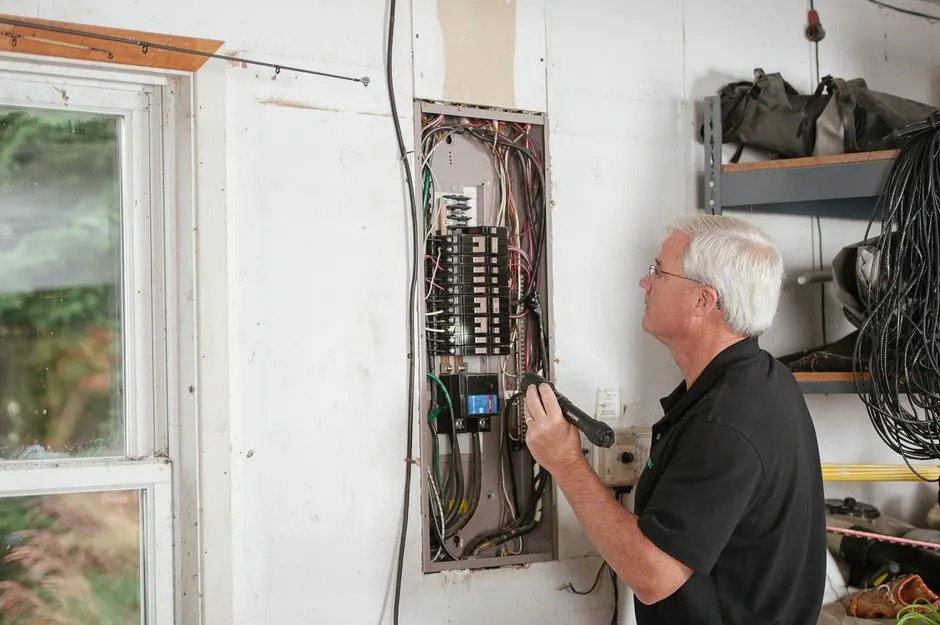
An electrician carefully examines a residential fuse box indoors, ensuring electrical safety and compliance.
Licensed Licensed & Bonded
Fully Insured Insured & Bonded
24/7 Emergency Same-Day Response
Warranty Backed Workmanship Guaranteed

What our Furnace Installation includes

Every install we quote includes the full scope below. No hidden add-ons for things that should be standard. If your job needs something outside this list, like new ductwork or a chimney liner, we price it upfront and show you why it is needed.

Equipment and materials

The furnace itself, plus the thermostat, gas connector, flue or PVC venting materials, condensate trap and neutralizer for high-efficiency units, duct sealant, and a fresh air filter. We use mastic and foil tape on every joint, not just screws and hope. Brands include Lennox, Carrier, Trane, Goodman, Rheem, York, Bryant, American Standard, Amana, and Coleman.
Permit and inspection

We pull the mechanical permit from your city or county, schedule the inspection, and meet the inspector on site. If they flag anything, we correct it and get it re-inspected at no charge. You get the signed-off permit card, which matters when you sell the house.

Gas and electrical connections

New gas line sized to the furnace input, pressure-tested with a manometer, and connected with a code-approved connector. Electrical disconnect, dedicated circuit verification with a clamp meter, and low-voltage thermostat wiring. We check the breaker and wire gauge before we energize anything.

Commissioning and tuning

We clock the gas meter to verify input BTU, set the air-fuel mixture with a combustion analyzer, and check temperature rise against the data plate. Blower speed is set to your duct system based on static pressure readings. You get the commissioning numbers in writing.

Haul-away and cleanup

The old furnace, old flue materials, and all packaging leave with us. We vacuum the mechanical room, wipe down the cabinet, and put your tools and stored items back where they were. You should not be able to tell we were there except for the new equipment.

Warranty registration

Manufacturer parts warranty registered within 5 business days, confirmation emailed to you. Our labor warranty covers the installation for 2 years. We keep your commissioning sheet and permit number on file so future service calls start with full history.

What Furnace Installation in Colorado actually involves


Furnace Installation in Colorado is the full removal and replacement of your home's primary heat source, including the equipment, gas piping, flue or PVC venting, electrical connections, thermostat, and commissioning. It is not a swap-and-go. We measure static pressure, check the heat exchanger on the old unit, verify the plenum and duct sizing, and confirm your gas meter and shutoff can feed the new BTU load. If the ductwork is undersized for the furnace you want, we tell you before we order anything.

Most Colorado homes we walk into are running a 20-year-old builder-grade unit that was never sized for the finished basement or the addition out back. That is why the cost to install a new furnace in Colorado varies so much from house to house. We see 80,000 BTU furnaces trying to heat 2,400 square feet in Boulder, and we see oversized 120,000 BTU units short cycling in a 1,300 square foot ranch in Eaton. Both are wrong, and both cost you money every month.

How our furnace replacement process works

Five steps, no surprises. Here is exactly what happens from the first phone call to the first cold morning you wake up warm.

01

Schedule

Call or book online — a real human picks up and confirms a 2-hour arrival window.

02

Diagnose

Licensed tech inspects on-site, then walks you through the cause and your options.

03

Fix

The job is completed to code and done right the first time — no shortcuts, no surprises.

04

Guarantee

Every job backed by a written workmanship warranty — and we stand behind it.

Tools and methods we use on every install

Tools & Equipment

Combustion analyzer

Measures oxygen, carbon monoxide, and flue temperature so we can set the air-fuel mixture correctly. Every gas furnace we install gets tuned with one before we leave. It is how we catch a bad gas valve or a blocked flue on day one.

Manometer

Reads gas pressure at the valve and static pressure in the ductwork. We use it to verify inlet pressure, manifold pressure, and total external static pressure. If static pressure is over 0.8 inches of water column, the duct system needs work.

Clamp meter and multimeter

Test amp draw on the blower motor, verify the igniter and flame sensor circuits, and check the control board. A clamp meter tells us in 30 seconds whether a blower motor is failing or the capacitor is weak.

Inspection camera

Lets us look inside the heat exchanger and the plenum without cutting open ductwork. We use it on every pre-install inspection to confirm whether the old unit is safe and whether the duct interior has rust or debris.

Vacuum gauge

Used during refrigerant recovery and evacuation when we swap an AC coil alongside the furnace. Pulling a proper vacuum to 500 microns is the difference between a coil that lasts 15 years and one that leaks in three.

Nest and Honeywell thermostats

The two brands we install most. Nest for homeowners who want scheduling and remote control, Honeywell for straightforward programmable reliability. Both are wired and configured during the install, not left for you to set up.

Methods & Standards

ACCA Manual J load calculation

The industry standard for sizing heating equipment. We measure square footage, insulation R-values, window area and orientation, duct leakage, and design temperature for your elevation. The result is a BTU number that holds up to inspection and to real-world performance. No guessing from square footage.

ACCA Manual D duct design

When ductwork needs modification, we design it to Manual D so the new furnace gets the airflow it needs. That means sizing trunks and branches to the blower's rated CFM and keeping static pressure in range. It is the step most installers skip, and it is why so many new furnaces underperform.

High-altitude derating

Above 2,000 feet, gas furnaces need smaller orifices or a derate kit to burn cleanly. At 9,000 feet in Fairplay or Leadville, that is roughly a 36 percent reduction in input. We install the correct kit and verify with a combustion analyzer so the unit is not over-firing and sooting up.

Combustion analysis and temperature rise verification

After the install, we clock the gas meter to confirm input BTU, measure flue CO and CO2, and check temperature rise against the data plate. If temperature rise is outside the range, we adjust blower speed. This is the commissioning step that separates a real install from a box swap.

Permit and inspection coordination

We pull the mechanical permit, schedule the rough and final inspections, and meet the inspector on site. Colorado jurisdictions vary on what they want to see, from flue slope to condensate neutralizer to combustion air. We know the local requirements and build to them the first time.

When Colorado homeowners call us for installs

01

Your furnace is 18 to 25 years old and you are facing a third repair in two winters.

What we do: We inspect the heat exchanger, blower motor, inducer, and control board, then compare the cost of the next repair against a new install over a five-year window. Most of the time, the math favors replacement, and we show you the numbers instead of just saying so.

→ You get a new furnace with a 10-year parts warranty, lower gas bills, and no more guessing whether it will fire on the coldest night of the year.

02

You just bought a house and the inspection report flagged the furnace as end-of-life.

What we do: We quote the install before closing so you can negotiate it into the sale. We pull the permit, install the new unit, and hand you the commissioning sheet and warranty registration. If the seller is paying, we work directly with the title company.

→ You move into a house with heat you can trust and a paper trail that satisfies your lender and your insurance carrier.

03

You finished the basement or added a room and the existing furnace cannot keep up.

What we do: We run a new Manual J calculation on the expanded square footage, check whether the duct system can handle the added load, and either upsize the furnace or add a zone. If the ducts are undersized, we quote duct modifications alongside the equipment.

→ The new space heats like the rest of the house, and the original rooms do not get cold because the furnace is now fighting a load it was never sized for.

04

You are switching from electric baseboard or a propane system to natural gas.

What we do: We coordinate with your gas utility on the meter upgrade, run the new gas line, install the furnace and venting, and remove the old baseboard or propane tank. This is a bigger job than a straight swap, so we schedule it as a two-day install.

→ You get gas heat at a fraction of the cost of baseboard electric or propane, plus central air conditioning capability if you add a coil.

How Furnace Installation runs here in Colorado

Colorado is not one climate. The Front Range swings from 65 degrees in November to minus 10 in a January cold snap, and mountain towns like Fairplay and Leadville see design temperatures near minus 15. That range drives equipment selection: a single-stage 80% furnace that works fine in Wheat Ridge will struggle to keep up at 9,900 feet without a derate kit and a properly sized unit. Building stock varies too. Boulder and Lafayette have a lot of 1920s bungalows with undersized gravity-era ductwork, while Timnath and Eaton are full of newer construction with tight envelopes and right-sized trunks. We adjust the load calculation and the duct approach for each. Permits run through city and county building departments, and most Front Range jurisdictions want a final inspection on a furnace swap. If you are pricing a new furnace installation Colorado-wide, plan on $3,800 to $8,500 in 2026 depending on equipment tier and venting scope. We quote it flat after the assessment.

Neighborhoods We Serve

  • Boulder

    Older bungalows near Chautauqua and Mapleton Hill often have original gravity ductwork that needs modification before a modern furnace will perform. We scope that during the assessment.

  • Wheat Ridge

    Mid-century ranches with basement furnaces and short flue runs. Most swaps here are straightforward one-day installs with standard PVC venting through the rim joist.

  • Lafayette

    Mix of older downtown homes and newer builds near the coal creek corridor. Duct sizing varies widely, so we always measure static pressure before quoting equipment.

  • Fairplay

    High-altitude installs at 9,900 feet. Every furnace here needs a derate kit and combustion analysis. We stock the orifice kits on the truck so we do not have to order and wait.

  • Canon City

    Warmer Arkansas River valley climate with milder design temperatures. Smaller BTU furnaces work here, and we often pair the install with a heat pump for shoulder-season efficiency.

Local Conditions We Plan For

  • High-altitude derating above 2,000 feet

    Furnaces must be derated roughly 4 percent per 1,000 feet of elevation. At 9,000 feet, that is a 36 percent reduction in input. We install the correct orifice kit and verify with a combustion analyzer so the unit burns clean and does not soot up the heat exchanger.

  • Dry air and static electricity

    Colorado's low humidity means more static, which can damage control boards and flame sensors over time. We ground the cabinet properly and use a surge protector on the furnace circuit. It is a small step that saves a $600 board replacement.

  • Wide temperature swings from October to April

    A 60-degree day followed by a 10-degree night forces the furnace to modulate constantly. Two-stage and variable-speed units handle that far better than single-stage. We default to two-stage on most Colorado installs for that reason.

  • Frozen condensate lines on high-efficiency units

    A 96% furnace makes water that has to drain outside or to a neutralizer. If the line runs through an unheated space, it freezes and shuts the furnace down. We route condensate to interior drains whenever possible and insulate exterior runs.

Boulder bungalow: oversized to right-sized

Before

A 2,100 square foot 1920s bungalow was running a 120,000 BTU single-stage furnace that short cycled every 8 minutes. Upstairs bedrooms never got above 62 degrees. Static pressure was 0.95 inches of water column, well over the 0.5 target, and the return duct was crushed in the crawlspace.

After

We installed an 80,000 BTU two-stage Trane, repaired the crushed return, and added a return grille in the hallway. Static pressure dropped to 0.55. Upstairs now holds 70 degrees. The homeowner's January gas bill went from $245 to $168.

Maintenance: Change the 16x25x1 filter every 60 days, schedule a fall tune-up to clean the flame sensor, and keep the return grille clear of furniture. The two-stage board will tell us if anything drifts.

Before

A 1,400 square foot cabin at 9,900 feet had a 100,000 BTU furnace installed at sea-level orifice sizing. It over-fired, sooted the heat exchanger, and tripped the high-limit switch within 20 minutes of every call for heat. The homeowner was running space heaters in January.

After

We installed a 96% Rheem with the correct high-altitude orifice kit, set the combustion with an analyzer to 8.5 percent CO2, and verified temperature rise at 45 degrees. The cabin now heats from 55 to 70 in 25 minutes and holds it. No more space heaters.

Maintenance: Annual combustion analysis is non-negotiable at this elevation. We also recommend a low-level CO monitor and a fall cleaning of the condensate trap before the first freeze.

Before

A 1996 Goodman in a 1,600 square foot ranch cracked its heat exchanger on a Sunday in January. The homeowner had no heat and a newborn in the house. We red-tagged the unit, shut the gas off, and set up temporary electric heat the same evening.

After

By Tuesday afternoon we had a new 80,000 BTU two-stage Goodman installed, permitted, and commissioned. Temperature rise verified at 48 degrees, gas pressure at 3.5 inches water column. The house was back to 70 degrees before dinner.

Maintenance: First-year tune-up at 12 months to check the igniter and flame sensor, filter changes every 90 days, and keep the mechanical room clear so the furnace gets combustion air.

Problems a new furnace solves for good

Most of the calls we run are the same handful of failures. Here is what they look like, what they cost you if you wait, and how a proper install ends them.

Problem

Furnace blowing cold air in January

A failed igniter, dirty flame sensor, or stuck gas valve leaves you with a blower pushing 65-degree air through the house. Pipes freeze, and a $300 repair turns into a $4,000 water damage claim if you wait.

Our Fix

We diagnose with a multimeter and manometer, then decide repair versus replacement based on the unit's age and heat exchanger condition. If it is 18 years or older, a new install is usually cheaper over the next five winters than three more repairs.

Problem

Furnace short cycling every 10 minutes

An oversized furnace hits the limit switch, shuts down, cools off, and fires again. That cycling wears out the heat exchanger, the control board, and the blower motor, and it burns 15 to 20 percent more gas than a correctly sized unit.

Our Fix

We run a Manual J load calculation and measure static pressure. Usually the old unit was oversized from day one. We install the right BTU rating with a two-stage or modulating burner so it runs long and low instead of short and hot.

Problem

Cracked heat exchanger on a 20-year-old unit

A cracked heat exchanger can leak carbon monoxide into your supply air. It is a red-tag situation. You cannot safely run the furnace, and no reputable tech will repair a cracked exchanger on an old unit because the repair costs more than the furnace is worth.

Our Fix

We red-tag the unit, shut the gas off, and quote a replacement. Most swaps are done in one day. We also install a low-level CO monitor as part of the commissioning so you have a second set of eyes on the system.

Problem

Furnace tripping the breaker on startup

Usually a failing blower motor, a shorted capacitor, or a bad control board. It gets worse in cold weather when the motor works hardest. You end up resetting the breaker at 4 a.m. and hoping it holds.

Our Fix

We test the motor windings with a clamp meter, check the capacitor, and inspect the control board for burn marks. If the furnace is otherwise sound, we replace the failed component. If the unit is on its last legs, we quote a new install with the same-day heat guarantee.

Why homeowners upgrade their heating system

Why homeowners upgrade their heating system

A new furnace is not a luxury purchase. In Colorado it is the difference between a $90 gas bill and a $220 one, and between a warm house in January and a service call at 2 a.m.

  • Lower monthly gas bills

    A modern 96% AFUE two-stage furnace burns roughly 15 to 25 percent less gas than the 80% unit it replaces. On a typical Front Range winter, that is $300 to $600 back in your pocket between October and April. We set the dip switches and airflow so the unit actually runs in low stage most of the time, which is where the savings live.

  • Heat that reaches every room

    Cold bedrooms over the garage and frozen bathrooms on the north side are almost always a duct and static pressure problem, not a furnace problem. During new furnace installation Colorado crews measure total external static pressure and set blower speed to the duct system. Get that right and the far rooms finally catch up.

  • Fewer mid-winter breakdowns

    A furnace that trips the breaker, short cycles, or blows cold air is telling you the heat exchanger, gas valve, or control board is on its way out. Replacing it on your schedule in September costs far less than an emergency swap in a blizzard. We also register the manufacturer warranty the same week we install.

  • Safe, code-correct venting

    Colorado inspectors look hard at flue slope, combustion air, and condensate disposal on high-efficiency units. A 90%+ furnace makes acidic water that has to drain and neutralize correctly, and the PVC intake and exhaust have to be pitched and terminated per code. We build it to pass the first inspection.

What Furnace Installation costs in Colorado

Typical 2026 pricing for a residential furnace install in Colorado runs $3,800 to $8,500, with the average around $5,400. That range covers equipment, labor, permit, venting, thermostat, commissioning, and haul-away. A basic 80% single-stage swap in a ranch home sits at the low end. A 96% two-stage variable-speed unit with new PVC venting, a smart thermostat, and duct modifications pushes toward the top. We quote flat after the in-home assessment, and the number on the quote is the number on the invoice.

Typical Investment Range

$3,800 - $8,500 depending on equipment tier, venting scope, and ductwork condition

A new furnace lasts 15 to 20 years. Spread over that life, the difference between a cheap install and a correct one is a few dollars a month, and the correct one saves you 15 to 25 percent on gas the whole time. We quote flat, pull the permit, and register the warranty.

What changes the price

01

Equipment tier and efficiency

An 80% single-stage furnace costs $1,200 to $1,800 less than a 96% two-stage variable-speed unit. The high-efficiency unit saves 15 to 25 percent on gas and qualifies for utility rebates in some Colorado service territories. We show you the payback math before you decide.

02

Venting scope

If your old furnace used a metal flue and the new one is 90%+ efficiency, we have to run PVC intake and exhaust, which adds 3 to 6 hours of labor and materials. If the flue can be reused, the install is faster and cheaper. We scope this during the assessment.

03

Ductwork condition

Crushed returns, undersized trunks, and disconnected branches are common in older Colorado homes. Fixing them adds $400 to $2,000 depending on scope. Skipping them means the new furnace runs at higher static pressure and never hits its rated efficiency.

04

Altitude and location

High-altitude derate kits add $150 to $350 in parts and setup. Attic and crawlspace installs take longer than basement swaps and add labor. Long flue runs through finished walls add time and materials.

05

Thermostat and controls

A basic programmable Honeywell adds nothing. A Nest or a communicating thermostat with the manufacturer's proprietary controls adds $200 to $600. We wire and configure it during the install so you are not reading a manual on day one.

06

Permit and inspection fees

Colorado mechanical permit fees run $75 to $250 depending on the jurisdiction. We include the fee in the quote and handle the paperwork and inspection. Some cities require a separate gas permit, which we also pull.

Licensed, certified, and accountable

Licensed & Certified

  • NATE Certification — issued by North American Technician Excellence
  • EPA Section 608 Certification — issued by U.S. Environmental Protection Agency
  • Colorado HVAC License — issued by State of Colorado
  • OSHA Safety Compliance — issued by Occupational Safety and Health Administration
  • ACCA Standards Compliance — issued by Air Conditioning Contractors of America

Verified Reviews

Google ★★★★★4.9

Quoted three companies for a furnace replacement in Boulder. Furnace Pros was the only one that ran a load calculation and measured static pressure. Installed an 80,000 BTU Trane two-stage, fixed a crushed return duct, and the upstairs is finally warm. Gas bill down $77 a month.

Google ★★★★★4.8

Called on a Sunday with no heat in Fairplay. They had a tech out Monday morning, confirmed the heat exchanger was cracked, and had a new high-efficiency Rheem installed by Tuesday with the correct altitude kit. Straight answers, no upselling, flat price.

BBB ★★★★★4.9

Furnace died in Eaton in January with a newborn in the house. They set up temporary heat the same night and installed a new Goodman the next day. Permit pulled, inspection passed, warranty registered. Exactly what they promised.

Yelp ★★★★★4.7

Had a 22-year-old Carrier that was short cycling. Instead of just selling me a new furnace, they showed me the static pressure readings and explained why the old one was oversized. New two-stage unit runs long and low and the house is more even. Honest crew.

Furnace installers Colorado homeowners can verify

Our technicians hold NATE certification and EPA Section 608 credentials, and every install is performed under a Colorado HVAC license with OSHA safety compliance on the job site. We follow ACCA standards for load calculation and duct design, which is why our sizing holds up when the inspector asks how we got there. We work on Lennox, Carrier, Trane, Goodman, Rheem, York, Bryant, American Standard, Amana, and Coleman equipment, and we are honest about which one fits your budget and your house. If a Goodman gets you the same heat for $2,000 less, we will tell you.

  • NATE-certified technicians on every install, not just the sales call
  • EPA Section 608 certified for refrigerant handling on AC coil swaps
  • ACCA Manual J load calculations on every quoted job
  • Combustion analyzer tuning on every gas furnace we commission
  • Colorado HVAC license and full insurance on every crew
Get Started Today
Furnace installers Colorado homeowners can verify

Cities we serve for Furnace Installation in Colorado

We run furnace installs across the Front Range, the foothills, the Western Slope, and the San Luis Valley. Same load-calculation standard, same permit handling, same commissioning process whether you are in Boulder or Ophir. If you are searching for a furnace installation near me in Colorado Springs or a crew that will drive to Merino, we cover it.

Allenspark

Foothills installs at 8,500 feet with high-altitude derate kits and wood-stove-to-furnace conversions. We handle Boulder County permits and know the local inspection requirements.

Bailey

Park County mountain homes with long propane or natural gas runs. We size for the elevation and route PVC venting through exterior walls where interior chases are not available.

Boulder

Older bungalows and mid-century homes with gravity-era ductwork. We measure static pressure and often quote duct modifications alongside the new furnace to get even heat.

Canon City

Warmer Arkansas River valley climate means smaller BTU furnaces and more heat pump pairings. We handle Fremont County permits and coordinate with local gas utilities.

Colorado City

Rural Pueblo County properties with propane and natural gas mixes. We install derate kits for the elevation and run combustion analysis on every commissioning.

Del Norte

San Luis Valley installs at 7,900 feet. Cold design temperatures and dry air mean two-stage equipment and proper grounding. We pull Rio Grande County permits.

Eaton

Newer Weld County construction with tight envelopes and right-sized trunks. Most swaps here are one-day installs with standard PVC venting and a smart thermostat.

Fairplay

High-altitude installs at 9,900 feet. Every furnace gets a derate kit and combustion analysis. We stock orifice kits on the truck so we do not have to wait on parts.

Galeton

Weld County rural properties with a mix of propane and natural gas. We size for the elevation and coordinate with the local gas cooperative on meter upgrades.

Green Mountain Falls

Teller County mountain homes with steep driveways and tight mechanical closets. We plan equipment access and venting routes during the assessment.

Indian Hills

Jefferson County foothills properties with a mix of older and newer construction. We measure static pressure and check duct condition before quoting equipment.

Lafayette

Mix of older downtown homes and newer builds. Duct sizing varies widely, so we always measure static pressure and run a Manual J before picking a BTU rating.

Louviers

Douglas County rural properties with well water and propane systems. We handle the gas line sizing and coordinate with the local propane supplier on tank and regulator setup.

Merino

Logan County installs on the eastern plains. Cold winter design temperatures and older housing stock mean we pay close attention to insulation and duct leakage.

Ophir

San Miguel County high-country homes at 9,700 feet. Derate kits, combustion analysis, and condensate freeze protection are standard on every install we do here.

Frequently Asked Questions

Real answers to the questions we hear most often from local homeowners and property managers.

How much does furnace installation cost in Colorado?
Most residential installs in Colorado run $3,800 to $8,500 in 2026, with the average around $5,400. A basic 80% single-stage swap in a ranch home sits at the low end. A 96% two-stage variable-speed unit with new PVC venting, a Nest or Honeywell thermostat, and duct modifications pushes toward the top. High-altitude derate kits, long flue runs, and attic or crawlspace locations add labor. We quote it flat after the assessment.
How long does a furnace installation take in Colorado?
A standard swap takes 4 to 6 hours on site, and you have heat the same day. Add 2 to 5 business days ahead of that for the mechanical permit to be issued. If we are running new PVC venting through a finished wall, converting from a natural draft flue, or replacing rusted plenum and transition ductwork, plan on 8 to 10 hours. Two-story homes with attic runs take longer than a basement swap.
Do I need a permit for furnace installation in Colorado?
Yes. Every Colorado jurisdiction we work in requires a mechanical permit for a furnace replacement, and most require a final inspection. The permit covers gas piping, flue or PVC venting, electrical connections, and combustion air. We pull it, meet the inspector, and correct anything flagged. Unpermitted installs cause problems at resale and can void your homeowner's insurance if there is a gas or carbon monoxide issue.
What size furnace do I need for my Colorado home?
Size comes from an ACCA Manual J load calculation, not square footage. Altitude matters here: above 2,000 feet, gas furnaces are derated roughly 4 percent per 1,000 feet, so a house in Fairplay at 9,900 feet needs a different input rating than the same plan in Lafayette at 5,300 feet. We measure insulation, window area, duct leakage, and design temperature for your zip code before we pick a BTU rating.

Related Services

Furnace Repair

If your current furnace is blowing cold air, short cycling, or tripping the breaker, repair is often the smarter call than replacement. We diagnose with a multimeter, manometer, and combustion analyzer, then tell you honestly whether a $400 fix buys you five more years or whether you are throwing money at a dying unit.

View Furnace Repair

Furnace Replacement

Furnace replacement is the same job as installation when the old unit is past its service life. We handle removal, disposal, new gas connections, venting, and commissioning. If your heat exchanger is cracked or your unit is 18 years or older, replacement is usually the right answer, and we will show you why.

View Furnace Replacement

Furnace Tune-Up

A tune-up every fall keeps a new furnace running at its rated efficiency. We clean the flame sensor and igniter, check gas pressure with a manometer, verify temperature rise, and swap the air filter. On a freshly installed unit, the first-year tune-up catches anything that settled during the break-in period.

View Furnace Tune-Up

Furnace Maintenance

Annual maintenance protects the manufacturer warranty and keeps your heat exchanger under warranty. We inspect the blower motor, capacitor, control board, and inducer, and we log static pressure each year so we can spot duct problems before they stress the equipment. It is the cheapest insurance you can buy for a new system.

View Furnace Maintenance

Emergency Furnace Repair

When your furnace quits at 2 a.m. in January, we run 24/7 emergency calls across the Front Range and mountain communities. We stock common igniters, flame sensors, gas valves, and blower motors on the truck so most no-heat calls are fixed in one visit, not two.

View Emergency Furnace Repair

Gas Furnace Repair

Gas furnace work covers the gas valve, thermocouple, igniter, flame sensor, and heat exchanger. We pressure-test gas lines with a manometer and use a combustion analyzer to verify the air-fuel mixture. If we smell gas or find a cracked heat exchanger, we red-tag the unit and walk you through options.

View Gas Furnace Repair

Get your Furnace Installation in Colorado quoted this week

Call (833) 588-3896 and we will schedule the in-home assessment, run the load calculation, and hand you a flat written quote. Licensed, insured, permits pulled, warranty registered. Same-week installs available across most of the Front Range.

Call (833) 588-3896 Get a Free Quote

Get In Touch With Us

Call (833) 588-3896 any time, day or night. A live dispatcher answers, asks what your furnace is doing, and gives you a real arrival window. For non-emergency tune-ups and installs, email us and we'll get back to you the same business day.

Furnace Pros Colorado


  • Address

    Colorado

  • Hours

    Mon–Fri: 7AM – 7PM
    Sat: 8AM – 4PM
    Sun: Emergency Only
    24/7 Emergency Available

Call (833) 588-3896 Get Quote
Call Quote