
Furnace Pros Colorado logo Furnace Pros Colorado
Get Estimate

Furnace Maintenance in Colorado keeps your heat running all winter

Statewide furnace tune-up crews ready before the first hard freeze


Furnace Maintenance in Colorado is the once-a-year service that keeps your system safe, efficient, and ready for the cold. We clean the burners, test the ignition, inspect the heat exchanger, and verify airflow from Fort Collins to Montrose. If you have not had a furnace tune-up in Colorado this season, now is the time, before the January cold snaps hit.

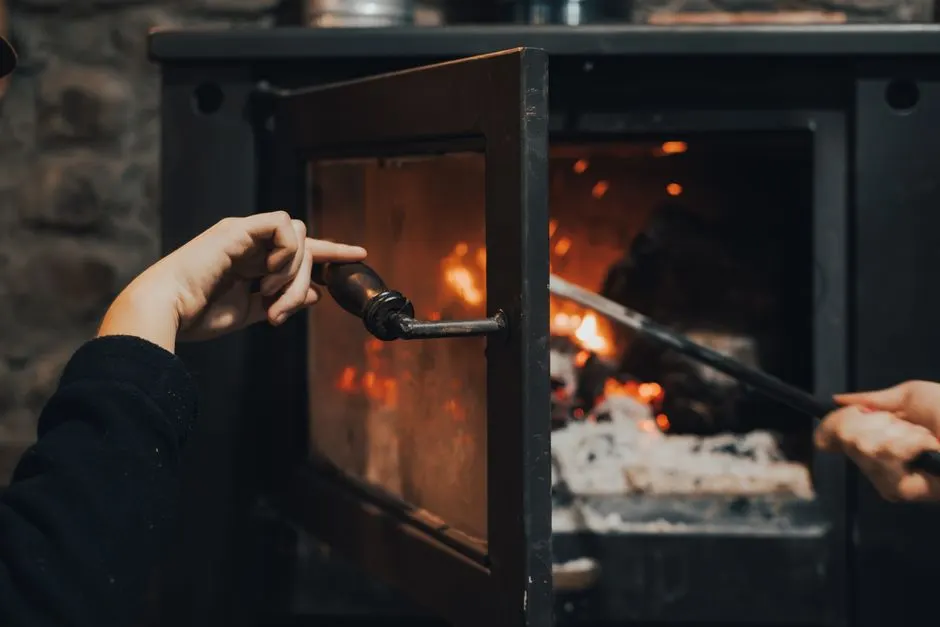
Hands tending to a warm, burning fireplace indoors, capturing the essence of comfort.
Licensed Licensed & Bonded
Fully Insured Insured & Bonded
24/7 Emergency Same-Day Response
Warranty Backed Workmanship Guaranteed

What our Furnace Maintenance visit includes

Every furnace maintenance visit covers the core safety and efficiency checks. If we find something that needs repair, we quote it before we do the work. You decide what gets done and when.

Filter inspection and swap

We check your air filter, hold it to the light, and swap it if it is loaded up. A clogged filter is the cheapest thing to fix and the most common cause of short cycling. We note the size so you can buy the right one next time.
Burner and ignition cleaning

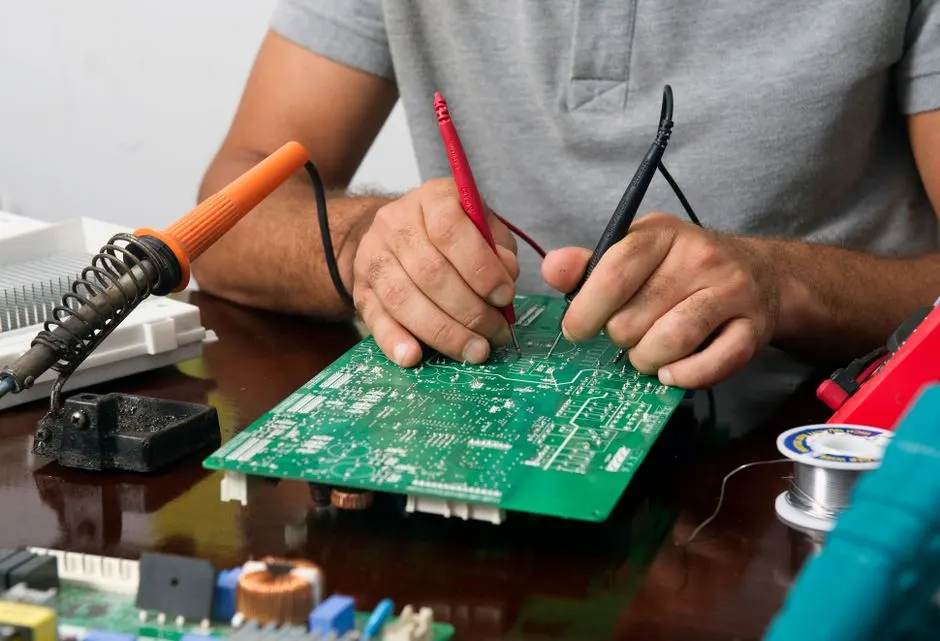
Burners come out, get brushed and vacuumed, and go back in. We clean the flame sensor, check the igniter with a multimeter, and test the gas valve. Dirty burners waste gas and shorten the life of the heat exchanger.

Heat exchanger inspection

We slide an inspection camera into the heat exchanger and look for cracks, rust, and soot. A cracked exchanger is a carbon monoxide risk, and it is the one finding that turns a tune-up into a replacement conversation. You see what we see.

Combustion and CO testing

With the furnace running, we sample flue gases with a combustion analyzer and record carbon monoxide in parts per million. You get printed numbers on your report. If CO is elevated, we tell you immediately and walk you through next steps.

Airflow and static pressure check

We measure static pressure with a manometer and check temperature rise against the manufacturer's data plate. High static pressure means the blower is fighting a restriction, which drives up bills and wears out the motor. We flag duct issues when we see them.

Written report and recommendations

Before we leave, you get a written report with all the readings, plus a plain-English summary of what is fine and what needs attention. No jargon, no scare tactics. Just the facts so you can plan ahead.

What Furnace Maintenance in Colorado actually involves


Furnace Maintenance in Colorado is a scheduled service visit where a technician opens the cabinet, cleans the burners, checks the flame sensor and igniter, tests the gas valve, and measures combustion with a combustion analyzer. We pull the blower motor, inspect the capacitor, and check the heat exchanger for cracks. Every visit ends with a written report showing static pressure, temperature rise, and carbon monoxide readings.

Colorado homes run their furnaces five to seven months a year, and the altitude here changes how gas appliances burn. At 5,000 feet and up, combustion air is thinner, so a furnace that ran clean at sea level can soot up faster. That is why annual furnace maintenance Colorado homeowners schedule in fall pays for itself. Skipping it is how you end up with a furnace blowing cold air in February.

What to expect during your furnace service visit

Our furnace service Colorado visits follow the same five steps whether you are in a Denver bungalow or a mountain cabin near Leadville. Here is exactly what happens from the moment we pull up.

01

Schedule

Call or book online — a real human picks up and confirms a 2-hour arrival window.

02

Diagnose

Licensed tech inspects on-site, then walks you through the cause and your options.

03

Fix

The job is completed to code and done right the first time — no shortcuts, no surprises.

04

Guarantee

Every job backed by a written workmanship warranty — and we stand behind it.

Tools and methods we use on every visit

Tools & Equipment

Combustion analyzer

Samples flue gases while the furnace runs and gives us carbon monoxide, oxygen, and efficiency readings in real time. You get the numbers on your report.

Inspection camera

Slides into the heat exchanger to look for cracks, rust, and soot that you cannot see from the outside. It is the only reliable way to inspect a heat exchanger without pulling the furnace apart.

Manometer

Measures static pressure in the duct system. High readings tell us the blower is fighting a restriction, which drives up bills and wears out the motor.

Multimeter and clamp meter

Tests igniter resistance, flame sensor microamps, capacitor microfarads, and blower motor amp draw. These readings tell us which parts are healthy and which are on the way out.

Vacuum gauge

Checks gas valve inlet and manifold pressure to confirm the furnace is getting the right fuel supply for your altitude and model.

Thermostat and control diagnostics

We test Nest and Honeywell thermostats, verify control board fault codes, and confirm the system is communicating correctly before we leave.

Methods & Standards

ACCA airflow standards

We measure static pressure and temperature rise against ACCA standards and the manufacturer's data plate. If airflow is off, we flag it and explain what it means for efficiency and equipment life.

NATE-certified procedures

Our techs follow NATE-certified service procedures for gas, electric, and high-efficiency furnaces. That means consistent, documented steps on every visit, not a quick look and a filter swap.

EPA Section 608 safety protocol

Combustion testing, CO monitoring, and gas work follow EPA Section 608 and OSHA safety standards. We do not cut corners on the safety side, ever.

Colorado HVAC license compliance

All work is performed under a Colorado HVAC license and follows local building permit requirements where they apply. You get code-correct work, documented.

When to schedule a furnace tune-up in Colorado

01

You just bought a house and have no service history on the furnace.

What we do: We do a full inspection, document the current condition, and give you a baseline report. You will know the age, the brand, and what is likely to need attention in the next year or two.

→ You start ownership with real information instead of guesses, and you can budget for repairs or replacement on your timeline.

02

Your furnace is 10 to 15 years old and has never been serviced.

What we do: We clean the burners, inspect the heat exchanger, test the ignition, and check the blower. If the system is on its last legs, we tell you straight and quote replacement options without pressure.

→ You either get several more good years out of the system or a clear plan to replace it before it quits in a cold snap.

03

You rent out a property and want to avoid a 2 a.m. tenant call.

What we do: We run annual maintenance on rental properties and document everything. If a part is failing, we catch it during the scheduled visit instead of during a tenant emergency.

→ Fewer emergency calls, happier tenants, and a paper trail showing the property is maintained.

04

You live above 8,000 feet and your furnace has been sooting up.

What we do: We test combustion with an analyzer, adjust gas pressure for altitude, and clean the burners. High-altitude furnaces need different settings than sea-level units, and we set them correctly.

→ Cleaner burns, less soot, and a furnace that runs efficiently in thin mountain air.

How Furnace Maintenance runs in Colorado

Colorado furnaces work harder than furnaces in most states. Winter runs from October into April along the Front Range, and mountain towns like Leadville and Vail see six to eight months of heating demand. Altitude changes combustion, so gas pressure and air-fuel ratios need adjustment above 5,000 feet. Older Denver and Boulder neighborhoods have original ductwork that was sized for gravity furnaces, not modern blowers, and that shows up as high static pressure and uneven heating. Newer builds in Parker, Severance, and Erie often have tight envelopes and right-sized systems that need precise airflow to run efficiently. Our annual furnace maintenance Colorado visits account for all of it: altitude-adjusted combustion settings, duct diagnostics, and a report you can compare year over year. If you want furnace maintenance tips for Colorado winters, the short version is this: change your filter every 60 to 90 days, keep the outdoor intake clear of snow, and book your tune-up in September before the schedule fills.

Neighborhoods We Serve

  • Denver metro

    Older bungalows and Victorians often have undersized returns and original ductwork. We measure static pressure and flag restrictions that cause hot and cold rooms.

  • Boulder County

    A mix of older homes and new high-efficiency builds. Altitude sits near 5,400 feet, so combustion settings need adjustment from factory defaults.

  • High country

    Leadville, Vail, and Breckenridge sit above 8,000 feet. Furnaces there need altitude-specific gas pressure and more frequent burner cleaning.

  • Western Slope

    Montrose and Grand Junction see wide temperature swings. Furnaces cycle more, which wears igniters and flame sensors faster. Annual service matters here.

  • Northern Front Range

    Fort Collins, Severance, and Windsor have a lot of newer construction. Right-sized systems need precise airflow to hit rated efficiency.

Local Conditions We Plan For

  • High altitude above 5,000 feet

    Thinner air changes combustion. Without altitude-adjusted gas pressure, burners soot up faster and efficiency drops. We set gas pressure to match your elevation on every visit.

  • Long heating season, five to eight months

    More runtime means more wear on igniters, flame sensors, and blower motors. Annual service catches worn parts before they fail mid-winter.

  • Dry air and dust

    Low humidity means more airborne dust, which loads filters faster. We recommend 60 to 90 day filter changes and check the blower wheel for buildup.

  • Older housing stock with original ducts

    Ducts sized for old gravity furnaces restrict modern blowers. High static pressure drives up bills and shortens motor life. We measure and flag it.

Arvada bungalow, gas bill cut 14 percent

Before

A 1920s Arvada home with original ductwork. The furnace short cycled, the upstairs stayed cold, and the January gas bill hit $310. The blower wheel was caked with dust and the filter had not been changed in over a year.

After

We cleaned the blower, swapped the filter, sealed a gap in the return plenum with duct sealant, and dialed in temperature rise. The next bill came in at $266, and the upstairs finally matched the main floor.

Maintenance: Change the filter every 60 days and book a tune-up each September. The duct sealing should hold for years, but we check it on every visit.

Before

A cabin at 10,200 feet with a furnace that sooted up every winter. The burners were black, the flame was lazy, and the owner was cleaning the cabinet twice a season just to keep it running.

After

We tested combustion with an analyzer, adjusted gas pressure for altitude, and cleaned the burners. CO readings dropped from 180 ppm to 22 ppm, and the flame burned clean blue instead of orange.

Maintenance: High-altitude furnaces need annual combustion testing. We check gas pressure and CO every fall, and the owner has not had a sooting problem since.

Before

A 12-year-old Fort Collins furnace was cycling on and off every few minutes. The homeowner thought the furnace was dying. Static pressure was way above spec, and the return filter grille was undersized for the blower.

After

We upsized the return grille, cleaned the blower, and verified temperature rise. Cycling stopped, and the homeowner avoided a $6,000 replacement. The furnace is still running three winters later.

Maintenance: Keep the filter clean and schedule annual service. We check static pressure every visit to catch restrictions early.

Problems our Furnace Maintenance in Colorado prevents

Most winter furnace failures do not happen overnight. They build up over months of dirty burners, worn parts, and ignored warning signs. A tune-up catches them while they are still cheap to fix.

Problem

Furnace blowing cold air in January

You wake up to a 55-degree house, call an emergency tech, and pay premium rates for a part that could have been replaced in October for a fraction of the cost.

Our Fix

We test the igniter, flame sensor, and gas valve during every tune-up. If a part is near end of life, we tell you and quote the replacement. You decide when to swap it, not the weather.

Problem

Gas bills climbing every winter

A dirty blower wheel and a clogged filter force the furnace to run longer to hit setpoint. Over a five-month heating season, that adds up to hundreds of dollars wasted.

Our Fix

We clean the blower, swap the filter, and verify temperature rise. Most customers see a 5 to 15 percent drop in gas use the next billing cycle. The tune-up often pays for itself in one season.

Problem

Furnace short cycling on and off

Short cycling wears out the blower motor, the igniter, and the control board faster. It also leaves rooms unevenly heated and drives up electric and gas use.

Our Fix

We measure static pressure and check airflow. Most short cycling traces to a restriction, a bad thermostat, or an oversized furnace. We diagnose the cause and fix it, not just the symptom.

Problem

Carbon monoxide risk from a cracked heat exchanger

A cracked heat exchanger can push CO into your living space. It is odorless, and it can make your family sick before anyone realizes what is happening.

Our Fix

We inspect the heat exchanger with a camera and test combustion with an analyzer on every visit. You get printed CO readings. If the exchanger is cracked, we tell you the same day and walk you through options.

Why Colorado homeowners schedule a furnace tune-up every year

Why Colorado homeowners schedule a furnace tune-up every year

A furnace tune-up in Colorado is not a luxury. It is the cheapest insurance you can buy against a mid-winter breakdown, a high gas bill, or a carbon monoxide problem.

  • Lower monthly gas bills

    A dirty blower wheel and a clogged air filter force the furnace to run longer to hit the thermostat setpoint. Cleaning both and verifying temperature rise typically cuts gas use 5 to 15 percent. On a $180 winter bill, that is real money back in your pocket every month.

  • Fewer no-heat calls

    Most furnace not igniting calls trace back to a dirty flame sensor or a worn igniter. Both are checked and cleaned during a tune-up. Catching them in October costs a fraction of an emergency call at 2 a.m. in January when it is 8 degrees outside.

  • Safety you can verify

    A cracked heat exchanger can push carbon monoxide into your living space. We inspect it with an inspection camera and test combustion with a combustion analyzer. You get printed CO readings, not a verbal promise. That is the difference between guessing and knowing.

  • Longer equipment life

    A furnace that is cleaned and adjusted every year routinely runs 15 to 20 years. One that is ignored often quits at 10 or 12. Annual furnace maintenance Colorado homeowners keep up with delays replacement by years, which is thousands of dollars you do not have to spend.

What Furnace Maintenance costs in Colorado

Typical 2026 pricing for furnace maintenance in Colorado runs $120 to $250 per visit, depending on system type and travel distance. High-efficiency condensing furnaces and mountain properties sit at the top of that range. Annual furnace maintenance plans in Colorado usually bring the per-visit cost down and include priority scheduling. You get the price before we start, and if we find something during the visit, we quote it and you decide.

Typical Investment Range

$120 - $250 per visit depending on system type and location

A $150 tune-up that catches a failing igniter saves you a $400 emergency call in January. It also typically cuts gas use 5 to 15 percent, which on a $180 monthly bill is $9 to $27 back every month. The math works.

What changes the price

01

System type

Standard 80 percent gas furnaces are the simplest to service. High-efficiency condensing furnaces have secondary heat exchangers and condensate systems that take longer to inspect, which adds to the visit time and cost.

02

Travel distance

Mountain properties and rural addresses take longer to reach. We quote travel upfront so there are no surprises. Front Range addresses are typically the lowest travel cost.

03

Condition of the system

A furnace that has not been serviced in five years takes longer to clean than one on an annual plan. Heavy soot, clogged blowers, and dirty burners add labor time.

04

Filter and parts

Standard filters are inexpensive. High-MERV filters, media cabinets, and replacement parts like igniters or flame sensors are quoted separately. We only replace what is actually worn.

05

Plan vs one-time visit

Annual plans spread the cost and include priority scheduling. One-time visits cost more per visit but give you flexibility if you are not ready to commit.

Licensed, certified, and accountable

Licensed & Certified

  • NATE Certification — issued by North American Technician Excellence
  • EPA Section 608 Certification — issued by U.S. Environmental Protection Agency
  • Colorado HVAC License — issued by State of Colorado
  • OSHA Safety Compliance — issued by Occupational Safety and Health Administration
  • ACCA Standards — issued by Air Conditioning Contractors of America

Verified Reviews

Google ★★★★★4.9

Booked a tune-up in October and the tech found a cracked heat exchanger with his camera. Showed me the footage and the CO readings. We replaced the furnace two weeks later. Honest work, no upselling.

Yelp ★★★★★4.8

Our gas bill dropped about $25 a month after the tune-up. The tech cleaned the blower, swapped the filter, and gave us a written report. Scheduling was easy and they showed up on time.

BBB ★★★★★4.9

We have a cabin near Leadville and the altitude was causing sooting. Their tech adjusted the gas pressure and tested combustion. Problem solved. They know mountain furnaces.

Google ★★★★★5.0

Annual plan customer for two years. They call us in September to schedule, show up on time, and leave a report. No surprises, no pressure. Exactly what you want from a furnace company.

Technicians who know Colorado furnaces

Our techs hold NATE certification and EPA Section 608 credentials, and they work under a Colorado HVAC license. They have serviced Lennox, Carrier, Trane, Goodman, Rheem, York, Bryant, American Standard, Amana, and Coleman equipment across the Front Range, the Western Slope, and the high country. Mountain altitude, dry air, and older housing stock each change how a furnace behaves, and our team has seen all of it. We carry common parts on the truck so most visits are one-and-done.

  • NATE-certified technicians trained on gas, electric, and high-efficiency condensing furnaces
  • EPA Section 608 certified for refrigerant and combustion safety work
  • Combustion analyzer testing on every visit, with printed CO readings
  • Experience with Lennox, Carrier, Trane, Goodman, Rheem, York, and Bryant systems
  • OSHA-compliant gas work and ACCA-standard airflow measurement on every job
Get Started Today
Technicians who know Colorado furnaces

Cities we serve for Furnace Maintenance in Colorado

Our furnace maintenance Colorado crews cover the Front Range, the high country, and the Western Slope. From Arvada to Montrose, we run annual tune-ups, combustion testing, and heat exchanger inspections on every major furnace brand. If you are on the schedule, you get the same service and the same written report no matter which city you call home.

Arvada

Older Arvada homes often have original ductwork that restricts airflow. We measure static pressure and flag restrictions during every tune-up.

Bellvue

Rural properties west of Fort Collins get the same full service. We test combustion and check the heat exchanger on every visit.

Brighton

Brighton's mix of new builds and older homes means we see everything from right-sized systems to undersized returns. We adjust accordingly.

Cascade

At nearly 7,000 feet, Cascade furnaces need altitude-adjusted gas pressure. We set it during every tune-up and test combustion with an analyzer.

Conejos

Down in the San Luis Valley, cold nights and older housing stock make annual service essential. We cover Conejos on our southern route.

Divide

Divide sits above 9,000 feet, where furnaces work hard. We clean burners, test CO, and verify airflow on every visit.

Eldorado Springs

Homes tucked against the foothills see wide temperature swings. We check ignition components and blower motors to catch wear early.

Fort Collins

Fort Collins has a lot of newer construction with high-efficiency furnaces. We verify airflow and temperature rise to hit rated efficiency.

Gill

Rural Weld County addresses get the same full tune-up. We quote travel upfront and bring common parts on the truck.

Hillside

Hillside's small-town setting does not mean skipped service. We run annual tune-ups, combustion testing, and heat exchanger inspections here.

Keenesburg

Keenesburg homes on the eastern plains see cold, dry winters. We check filters, blowers, and ignition parts on every visit.

Leadville

At 10,152 feet, Leadville is the highest incorporated city in the U.S. Furnaces here need altitude-specific settings and frequent burner cleaning.

Lyons

Lyons homes mix older construction with newer builds. We measure static pressure and adjust combustion for the 5,300-foot elevation.

Montrose

Montrose on the Western Slope sees big temperature swings. We service gas and electric furnaces and stock common parts for same-visit repairs.

Parker

Parker's newer homes often have right-sized high-efficiency systems. We verify airflow and combustion to keep them running at rated efficiency.

Frequently Asked Questions

Real answers to the questions we hear most often from local homeowners and property managers.

How much does furnace maintenance cost in Colorado?
Most furnace maintenance visits in Colorado run $120 to $250 in 2026, depending on system type and travel distance. High-efficiency condensing furnaces and systems needing deep cleaning sit at the top of that range. Annual furnace maintenance plans in Colorado usually bring the per-visit cost down and include priority scheduling when something breaks.
How often should I have furnace maintenance in Colorado?
Once a year, ideally in early fall before the first hard freeze. Colorado furnaces run five to seven months, and altitude makes combustion dirtier, so annual service is not optional here. If you have pets, a dusty home, or a system over 12 years old, do not stretch it past 12 months.
What does furnace maintenance include in Colorado?
A full visit covers filter check, burner cleaning, flame sensor and igniter service, gas valve testing, blower motor inspection, heat exchanger camera inspection, and combustion analyzer testing with printed CO readings. We also measure static pressure and temperature rise. You get a written report at the end.
Can furnace maintenance lower my energy bills in Colorado?
Yes. A clean blower wheel, a fresh filter, and correct temperature rise typically cut gas use 5 to 15 percent. On a $180 monthly winter bill, that is $9 to $27 back every month. Over a five-month heating season, the tune-up often pays for itself before spring.

Related Services

Furnace Repair

When a tune-up turns up a bad igniter, flame sensor, or blower motor, we fix it on the spot. Our repair techs carry common parts and can usually complete the work during the same visit, so you are not waiting days for heat.

View Furnace Repair

Furnace Installation

If your furnace is past 18 years or repairs are stacking up, we install new Lennox, Carrier, Trane, and Goodman systems. We size the unit to your home, pull local building permits, and commission it with combustion analyzer readings before we leave.

View Furnace Installation

Furnace Replacement

Replacement makes sense when the heat exchanger is cracked or repair costs pass half the price of a new unit. We haul away the old furnace, install the new one, and verify airflow and temperature rise so your first winter runs clean.

View Furnace Replacement

Furnace Tune-Up

A furnace tune-up in Colorado is the same service as maintenance, just booked as a one-time visit. It covers cleaning, testing, and a written report. Many homeowners start with a tune-up and move to an annual plan once they see the numbers.

View Furnace Tune-Up

Emergency Furnace Repair

No heat at 2 a.m. in January is an emergency. We run 24/7 emergency calls across Colorado and stock the parts that fail most, like igniters, flame sensors, and control boards. Call and we roll a truck.

View Emergency Furnace Repair

Gas Furnace Repair

Gas furnaces need combustion testing, gas valve checks, and CO monitoring. Our techs are EPA Section 608 certified and OSHA-compliant on gas work. If your gas furnace is short cycling or smelling odd, we diagnose it fast.

View Gas Furnace Repair

Book your Furnace Maintenance in Colorado before the cold hits

One visit now saves you a no-heat emergency in January. We show up on time, do the full job, and hand you the numbers. Call (833) 588-3896 or book online and we will get you on the schedule this week.

Call Now Book a Tune-Up

Get In Touch With Us

Call (833) 588-3896 any time, day or night. A live dispatcher answers, asks what your furnace is doing, and gives you a real arrival window. For non-emergency tune-ups and installs, email us and we'll get back to you the same business day.

Furnace Pros Colorado


  • Address

    Colorado

  • Hours

    Mon–Fri: 7AM – 7PM
    Sat: 8AM – 4PM
    Sun: Emergency Only
    24/7 Emergency Available

Call (833) 588-3896 Get Quote
Call Quote